
From breath mints to gums, mouthwashes, and more, there is an entire industry devoted to helping people have nice-smelling breath. Did you know the best way to keep your breath smelling fresh and clean is by visiting your local dentist? Let’s check out how to cure bad breath permanently.
What Causes Bad Breath?
Bad breath (halitosis) can be caused by simple things like what you eat. Of course, if you eat super fragrant foods like onions, garlic, or aromatic herbs, your breath will smell like those foods. In this case, it is simple enough to just brush your teeth, use mouthwash, or chew a piece of sugarless gum.
Tobacco can also be the culprit of bad breath. This is true for tobacco users whether they smoke or chew tobacco. Since tobacco is so bad for your overall health, it is best to stop and try to lead a tobacco-free lifestyle.
However, chronic bad breath can be caused by many other issues, some of which are far more serious.

Medical Conditions and Bad Breath
If you have good dental hygiene and regular care from your local dentist but still have chronic bad breath, you may want to see your family physician.
Chronic bad breath not related to a dental concern may be rooted in disease or other medical issues. Tonsillitis, diabetes, sinus problems, and infections can all cause bad breath.
Lack of Proper Dental Hygiene
It isn’t the fresh smell of toothpaste or the peppermint smell that comes with a mouthwash that makes dental hygiene good for your breath.
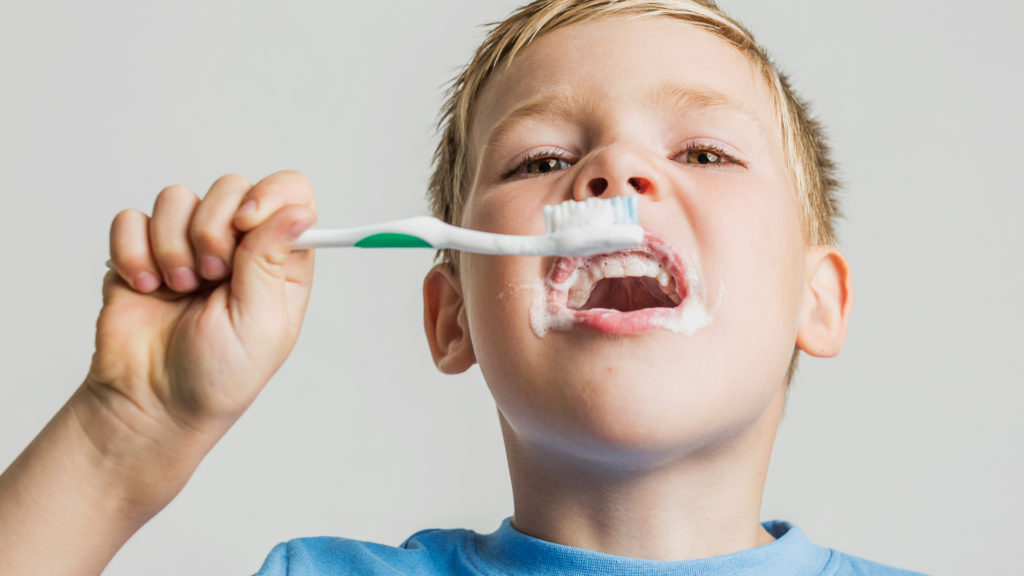
Brushing your teeth every day and flossing keep debris from food from building up in your mouth. As the debris breaks down, it can cause a foul odor on your breath.
Not keeping your mouth clean also allows bacteria to build up in your mouth, which can be another culprit of bad breath. So, if your dental hygiene has been suspect and you find yourself with bad breath, it is definitely time to clean up your act if you want to cure bad breath permanently.

Dental Issues and Bad Breath
Gum disease (gingivitis) is a prevalent cause of bad breath along with cavities. Gingivitis is very common, but that doesn’t mean you can just not worry about it. Gingivitis is just the first stage of gum disease, and if left untreated, it will get worse. Initially, it causes redness, inflammation, and in some cases, soreness in your gums.
If it is not addressed, it can cause serious damage and even lead to tooth loss.
Additionally, ill-fitting dentures and uncleaned dental appliances may cause bad breath.
Ill-fitting dentures, dental appliances, and tightly crowded teeth may trap food particles and debris, which can cause breath to smell foul.
If you are concerned that this could be the reason behind persistent bad breath, or you’re curious as to how often your teeth need to be cleaned, contact your local dentist.
Local Dentist in Beverly Hills, CA
If you have bad breath that isn’t a momentary issue based on what you have recently eaten, especially if you find that you have chronic bad breath, it is time for a dental checkup. Contact Dental Group of Beverly Hills and schedule an appointment today.
Also, if it’s been a while since your last visit to a dentist, check out our article on when to visit a dentist in Beverly Hills!
Bad Breath Questions We Hear Most
Why does my breath smell bad even after brushing?
Brushing cleans the tooth surfaces, but the bacteria that produce sulfur compounds also sit on the tongue, between the teeth, and below the gumline. If breath stays bad after brushing, the likely sources are the tongue, untreated gum disease, a decayed tooth, or dry mouth.
Can gum disease cause bad breath?
Yes. Gum disease is one of the most common dental causes of chronic bad breath. Bacteria collect in pockets between the gum and the tooth where brushing cannot reach, and the byproducts they release have a persistent odor. Treating the gum disease generally resolves the odor.
How do I know if my bad breath is a medical problem rather than a dental one?
If your dental hygiene is good and a dentist has ruled out gum disease and decay, the cause may sit outside the mouth. Tonsillitis, sinus infections, acid reflux, and diabetes can all contribute. In that case, see your physician for evaluation.
Does mouthwash cure bad breath?
Mouthwash masks odor temporarily and can reduce bacteria, but it does not remove the cause. Alcohol-based rinses can also dry the mouth, and reduced saliva tends to make breath worse. Use mouthwash as a supplement to brushing and flossing, not as a substitute.
 Autumn Dental Tips